

Best DIY Home Security Systems of 2025, As we move through 2025, the demand for customizable and affordable home security has never been higher. Do-it-yourself (DIY) home security systems have risen to the occasion, offering powerful, professional-grade protection without the need for complex installations or long-term contracts. Today’s leading systems are more integrated, intelligent, and user-friendly than ever, putting complete control of your home’s safety right at your fingertips. ADT Self Setup’s impressive cameras and professional monitoring earned it our top recommendation for DIY home security systems.
Cove Security
8.8 / 10 SecureScore™
View Sale
Remember the days when home security systems needed technicians to come out to your home and set them up? Some still do, but it’s no longer required to get a high-quality security system in your home. Of course, there are good DIY security systems and bad ones. The bad ones are difficult to install, and even if you follow the instructions, they barely work.
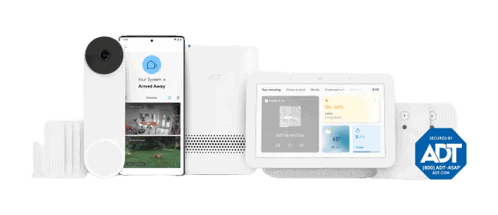
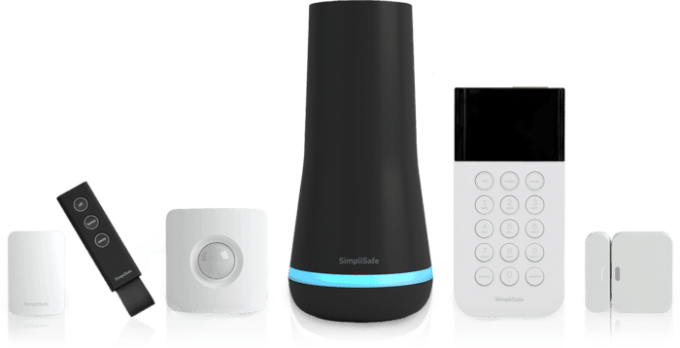
That’s why we tested dozens of DIY security systems in our own home to figure out which ones provide top-notch security. After our tests, ADT Self Setup took first place. The honor came not only because it took us only about 45 minutes to install but also because of the quality of the Google Nest product range. That said, we were also really impressed by SimpliSafe and Cove. Keep reading for all the details you need to know to figure out which system’s right for your home.
Our Methodology: How We Tested and Ranked The Best DIY Home Security Systems
Our Approach
We’ve found that the best way to make unbiased and trustworthy recommendations is by testing home security systems ourselves. That means buying the equipment, installing it in our homes, and testing it for weeks and sometimes months. It helps us get a feel for what it’s like to live with the security system and learn about its response times, apps, and features. We then use these experiences to make honest recommendations.
Our Testing Setup
Multiple factors can impact testing home security systems, but we find ways to make like-for-like comparisons. For starters, we install and test all the security systems in one house — a two-story, 2,200-square-foot home owned by one of our home security experts. Using a real house instead of a lab means we can accurately assess real-life scenarios and make reliable recommendations.
We also buy the same devices for every home security system and install them in identical locations. You can see the places we regularly choose to set up equipment below.
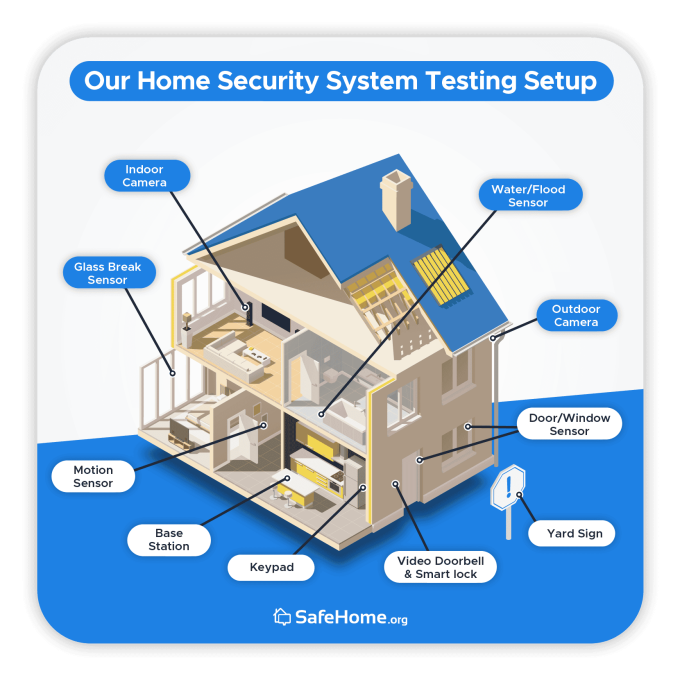
We looked at multiple factors when choosing the best DIY home security systems. Drawing on our industry knowledge and experience, these are the factors we believe are the most important:
Using these criteria, here is how we arrived at our top five picks:
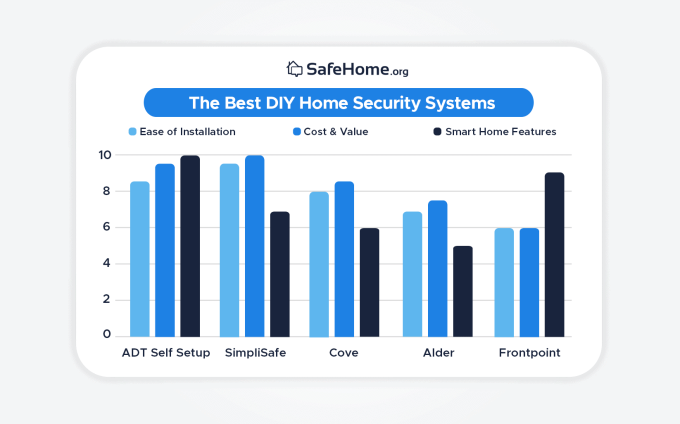
Rating the Best DIY Home Security Systems
Why You Can Trust Us
We only cover security and safety equipment. You won’t find reviews on everything from ceiling fans to video game consoles like you would on other review websites. We focus on security and safety, and we’re experts at assessing security systems so our readers get insightful and detailed recommendations. The specialists who worked on this review were:
Our team has over 75 years of combined industry experience, making us the most accomplished home security team online. Since 2016, SafeHome.org has been featured in multiple major outlets, including The Washington Post and The New York Times. As a team, we have achieved:
The Benefits of DIY Home Security
More and more, homeowners are thinking of home security as a must-have item. Our home security research shows:
But, even though property crime is a worrisome trend in the U.S., an expensive, professionally installed security system is outside of some homeowners’ budget. DIY security systems offer a more affordable alternative with a few key benefits, including:
Cost
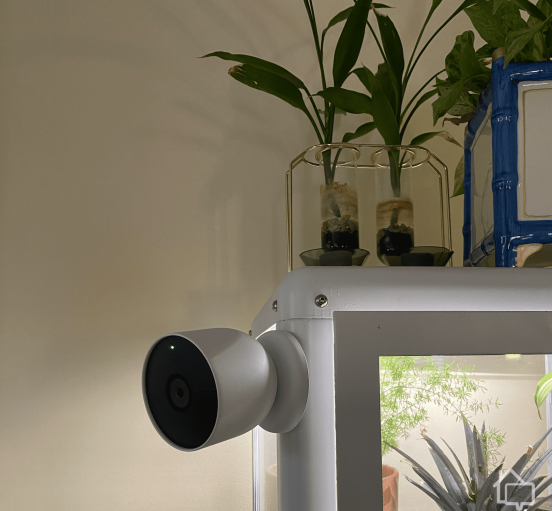
We mounted one of the Nest Cams that came with our ADT Self Setup system on our plant stand in the living room.
Simply put, installing a system yourself keeps the costs low. Providers that require professional installation will often charge you $100 or more for that service, and, oftentimes, these systems are permanently wired and installed. If you don’t mind picking up a drill, you can save that money and also have the flexibility of being able to move your system with your family. Plus, the easiest DIY systems, like ADT Self Setup and SimpliSafe, don’t even require a drill.
Contracts
Many of the DIY home security systems are straightforward investments. Unlike the top professionally installed systems in the market, DIY security systems typically don’t require long-term contracts. This can help to significantly reduce the overall cost. If the company does have a contract, it will typically be a month-to-month plan. This can help to significantly reduce the overall cost as you can switch between professional monitoring and DIY monitoring on an as-needed basis. However, there are exceptions like Alder, which is a DIY system that requires a contract.
Flexibility
If you value flexibility, you really need to consider DIY options. After all, you may decide to change the location of a camera or upgrade to newer equipment down the road. Heck, that big book deal might hit, and you’ll finally buy that condo down in Puerto Rico and retire. If that’s the case, you can easily bring your DIY security system with you for free. If you don’t want to jump into the deep end of home security quite yet, a DIY system with no contract is probably the best-case scenario for you.
How to Choose a DIY Home Security System
Having a home security system is the single most important thing you can do to protect your family and your property. But, as you know, choosing the right system can be time-consuming due to the number of options and the vast amount of data out there. Plus, you never really know what a security system is going to be like until you test it in your home. That’s why we buy every security system we review to get firsthand experience using it and then convey that information to you.
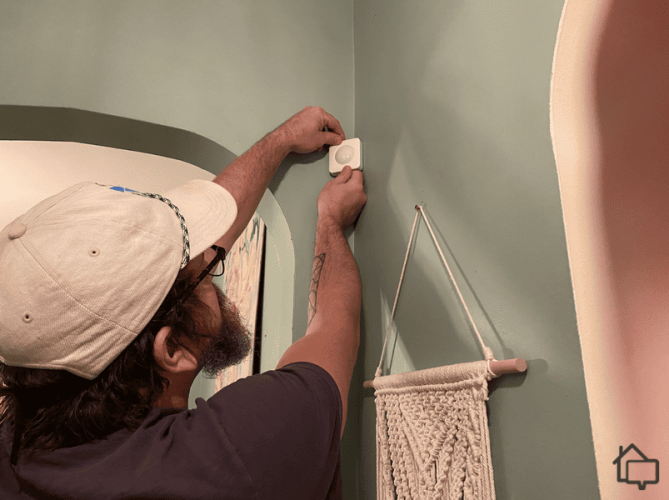
Here we are setting up the latest version of the SimpliSafe Motion Sensor.
Here are a few factors you should consider when choosing a DIY security system for your home:
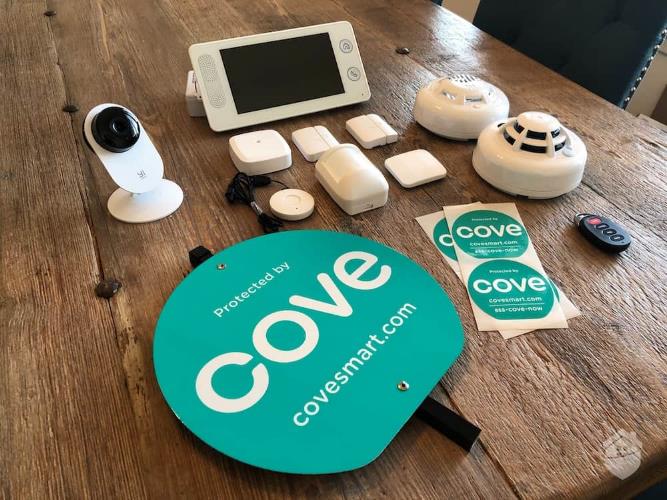
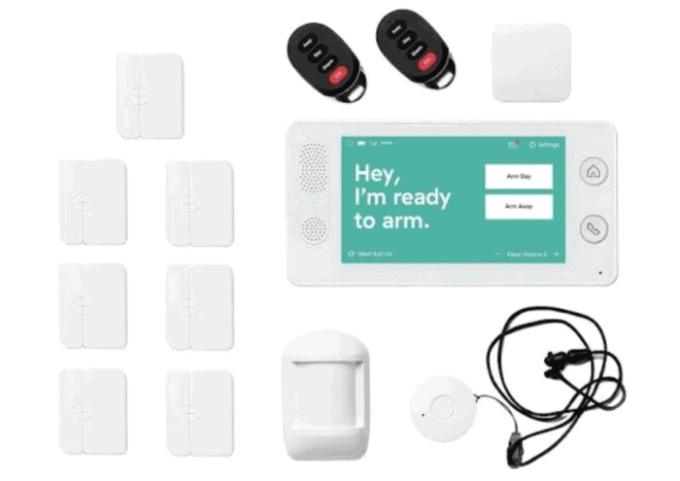
Everything we bought for our Cove home security system.
Recap: Is a DIY Home Security System Right for You?
While there is something to be said about putting your feet up as a technician installs and sets up your security system for you, DIY systems come with a lot of benefits. Since you set up the system yourself, you learn it inside and out. That can help you make better use of your security. It also offers a ton of flexibility, as you can adjust your setup anytime you want.
Not every DIY security system is good and easy to use, though. We’ve certainly tested our fair share of DIY systems that took us forever to install. That’s why we went over the top six DIY security systems so you can avoid the bad apples with ease. Our top recommendations are ADT Self Setup, SimpliSafe, and Cove. Each one is easy to install and provides top-notch security.
Frequently Asked Questions About DIY Home Security Systems
Well, that depends. If you are a renter, you will probably need to get your landlord’s permission in writing before purchasing and installing an alarm system. Your landlord might have restrictions due to privacy issues and aesthetic concerns. So, be sure to ask first.
Yes, in most cases. A lot of insurance companies will offer up to a 20 percent discount on their homeowners insurance policies if you install a security system, regardless of whether or not it’s a DIY system. However, the discount will probably be less if you don’t get professional monitoring.
There isn’t a right or wrong answer to this question. It really depends on your particular situation. So, it’s best to look over the pros and cons of each. Both types of security systems can keep your home safe, though.
Most wireless DIY home security systems use your Wi-Fi as the main method of communication. That means your system can go down if your power goes out. That said, if you pay for professional monitoring, most companies include cellular backup in that monitoring fee. Pair that with your system’s backup battery, which most have, and your system can stay online for at least 24 hours without power.
Nowadays, most security systems, whether they’re professionally installed or DIY, offer professional monitoring. Some of them outsource their professional monitoring to third-party monitoring agencies. Those agencies still provide high-quality monitoring, although we prefer the in-house monitoring offered by companies like ADT.
Features of DIY Home Security Systems
The best wireless DIY security systems offer the same benefits as hardwired systems. Here are the essential features and extras to consider.
or Alternative Article
The Best DIY Home Security Systems of 2025: Smart, Simple, and Secure
As we move through 2025, the demand for customizable and affordable home security has never been higher. Do-it-yourself (DIY) home security systems have risen to the occasion, offering powerful, professional-grade protection without the need for complex installations or long-term contracts. Today’s leading systems are more integrated, intelligent, and user-friendly than ever, putting complete control of your home’s safety right at your fingertips.
This guide highlights the best DIY home security systems of 2025, chosen for their reliability, feature sets, ease of use, and overall value.
Top Picks for the Best DIY Home Security Systems in 2025
After a comprehensive review of expert analysis and user feedback, here are the top-performing DIY home security systems you can install yourself.
Add Comment